
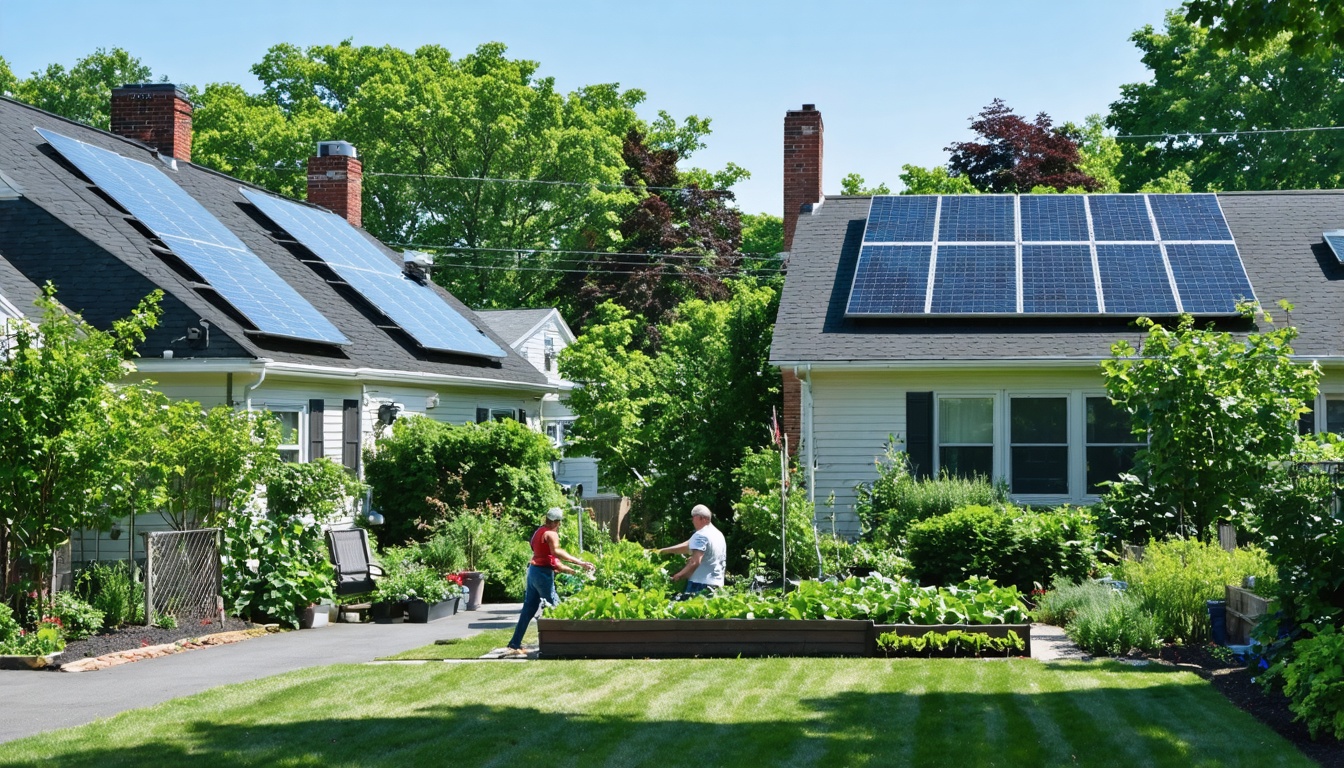
How Staten Island, New York Homeowners Can Make the Most of Their Solar Potential
Owning a home on Staten Island presents an opportunity to utilize the region's sunlight for energy generation. With supportive local policies and advancements in solar technology, homeowners can realize energy savings while also increasing their property value. However, optimizing solar potential involves several important considerations beyond merely selecting solar panels. First, it is crucial to identify a qualified installer. A reputable installer will assess your home's specific conditions, including roof orientation, shading, and local regulations, to design an effective solar system. Additionally, homeowners should explore available incentives. Local, state, and federal programs can provide financial assistance or tax credits that reduce the initial cost of solar installation, making it more affordable. Moreover, after installation, ongoing maintenance is essential to ensure the system operates efficiently. Regular inspections and cleaning may be necessary to maintain performance and longevity. In summary, Staten Island homeowners can benefit from solar energy by choosing the right installer, maximizing available incentives, and committing to regular maintenance of their systems.
Benefits of Going Solar in Staten Island
Rising utility costs have made solar energy a practical consideration for homeowners in Staten Island. Solar energy systems may help homeowners lower their electricity expenses and reduce reliance on Con Edison. Staten Island's favorable sunlight conditions enable solar panels to effectively generate electricity, even during overcast weather.
Research indicates that residential solar installations could potentially enhance property values, with an estimated increase of around 6.8%. Various financial analyses suggest that homeowners might experience substantial financial benefits over time, potentially reaching tens of thousands of dollars. However, these benefits can vary based on factors including the size of the system, installation costs, and overall energy savings.
Moreover, many homeowners report improved stability in their energy budgets following solar panel installation, contributing to a more predictable expenditure on electricity. Individuals contemplating this transition may find it beneficial to consult with qualified contractors, such as those at https://solarpanelsstatenislandnewyork.com/, for guidance during the installation process to ensure positive outcomes.
Key Financial Incentives and Rebates for Homeowners
Homeowners in Staten Island have access to several financial incentives and rebates designed to reduce the overall cost of solar installation. The federal solar tax credit currently allows homeowners to deduct 30% of the installation expenses from their federal taxes.
Additionally, New York State offers a separate tax credit of 25%, which is capped at $5,000.
Another significant program is the NY-Sun Upfront Rebate program, administered by the New York State Energy Research and Development Authority (NYSERDA). This program provides approximately $200 for each kilowatt of solar capacity installed, thus further alleviating initial costs associated with solar deployment.
In New York City, the property tax abatement program enables homeowners to deduct 20% of their solar installation expenses from their property taxes over four years, offering further financial relief.
Furthermore, there is a sales tax exemption on solar equipment in New York, which helps in minimizing the overall expenditure on solar projects.
Collectively, these incentives not only enhance the financial feasibility of solar panel installation for homeowners but also offer the potential to generate energy savings and may increase the property value over time.
Understanding Your Solar System’s Return on Investment
Evaluating the return on investment (ROI) for solar panels in Staten Island requires a careful analysis of both the initial installation costs and the potential long-term savings on electricity bills.
Important factors to consider include various financial incentives such as federal and state tax credits, rebates from the New York State Energy Research and Development Authority (NYSERDA), and the New York City property tax abatement program, all of which can help decrease the overall installation costs.
The typical cost of installing a solar panel system ranges from $10,000 to $15,000 after accounting for any applicable incentives.
Homeowners can generally expect to recover their investment within approximately 5 to 7 years. Over a period of 25 years, the cumulative savings on utility bills could reach tens of thousands of dollars, in addition to a potential increase in property value.
For a thorough analysis of specific circumstances or to receive a detailed quote, further consultation with a solar energy professional is advisable.
Net Metering and How It Increases Your Savings
Net metering is a program that enables solar panel owners to sell surplus electricity generated by their solar systems back to the utility grid. Under this system, homeowners receive bill credits at the retail electricity rate for the excess energy supplied to the grid. In regions like Staten Island, net metering can significantly reduce utility costs over an extended duration, with projections indicating potential savings on utility bills lasting for up to 20 years.
Research indicates that homeowners may recover their initial investment in solar panel installation within approximately 5.4 years. This time frame suggests that solar energy can be a financially sound option for many property owners. Over the 20-year period typically associated with net metering, average savings for households could potentially exceed $67,000.
To enhance the financial advantages of solar energy systems, homeowners should consider various incentives available to them. These include programs offered by the New York State Energy Research and Development Authority (NYSERDA), federal tax credits, state exemptions, and specific benefits from utility providers like Con Edison.
The implementation of net metering not only assists in promoting energy independence but also supports the long-term financial feasibility of solar power systems.
Selecting a Qualified Solar Installer in Staten Island
Choosing a qualified solar installer in Staten Island is a critical component of any solar energy investment. The expertise of the installer is as significant as the technology chosen for solar implementation. It is advisable to select contractors who hold certification from the New York State Energy Research and Development Authority (NYSERDA).
Certified contractors are typically knowledgeable about the various incentives available at both federal and state levels, including tax credits and incentives specific to New York and New York City.
Local solar installation firms are often better informed about the solar potential in Staten Island, which encompasses factors like sunlight exposure, zoning laws, and the specific requirements imposed by Con Edison.
When assessing potential installers, it is beneficial to look for those offering a comprehensive service package that includes system design, installation, and ongoing maintenance. This approach can facilitate addressing any questions or issues that may arise during the installation process.
Additionally, reviewing customer feedback and testimonials can provide insights into the quality of the installation services offered.
Indicators of a successful installation may include positive customer experiences, dependable backup power solutions, and efficient post-installation assistance.
Ultimately, the choice of an appropriate installer can yield both financial benefits and greater assurance regarding the performance of the solar energy system.
Comparing Financing Options for Your Solar Project
Evaluating financing options for a solar project is important for making well-informed choices. In Staten Island, NYSERDA’s Energy Finance Solutions offers several alternatives. The On-Bill Recovery Loans allow for the integration of loan repayments with the electric bill, which may help in creating manageable payment plans.
In contrast, Smart Energy Loans keep payment obligations distinct, which might be suitable for homeowners who prefer clearer financial arrangements.
Leveraging incentives such as NY-Sun can reduce installation costs, as contractors can apply these incentives to lower the initial expense of the project. Homeowners may also consider home equity loans or personal loans for financing, although it is important to assess creditworthiness before proceeding.
Additionally, federal and New York State tax credits can significantly lower the total financial obligation associated with the solar project, contributing to greater economic feasibility.
It is important to examine the details of each financing option in relation to the specific needs of your project. Ensure that the selected company addresses all pertinent aspects of both installation and financing.
For further inquiries or additional clarification, it is recommended to seek professional assistance.
Navigating State and City Tax Credits for Solar
Installing solar panels represents a significant financial investment for homeowners on Staten Island. However, there are several state and city tax credits available that can help mitigate these costs. One primary federal incentive is the Solar Tax Credit, which permits homeowners to deduct 30% of their solar system installation expenses from federal taxes, thereby reducing the overall upfront cost.
In New York State, there is an additional tax credit that can cover up to 25% of installation expenses, capped at $5,000. Homeowners can also benefit from the NY-Sun Upfront Rebate program, which offers $200 per installed kilowatt of capacity, further decreasing the financial burden associated with initial installations.
At the local level, New York City has established a property tax abatement program. This provides a 20% reduction in property tax assessments on eligible solar installations over a four-year period.
For homeowners to maximize these incentives, it is advisable to engage contractors or solar service providers who are well-versed in the relevant filing processes and deadlines. Consulting with local assessors can also help homeowners understand eligibility criteria and streamline the application process for these benefits.
By following these recommendations, homeowners on Staten Island may effectively reduce their solar installation expenses and realize cumulative savings on their electricity costs over time.
Common Considerations for Solar Performance and Maintenance
Staten Island experiences a variety of weather conditions throughout the year, and solar panels can continue to operate efficiently with proper maintenance. It is important to clean the panels regularly, as this practice helps maintain consistent power generation, even in overcast weather conditions.
Additionally, monitoring the system's performance through the inverter or a dedicated app can facilitate optimal operation.
Scheduling inspections by a qualified contractor every few years is advisable to address potential wear and tear that may develop over time.
Homeowners can also benefit from participating in net metering programs with Con Edison, which allows them to offset electric bills by returning excess power generated by their solar panels to the grid.
If solar panels produce more energy than is consumed, implementing backup power solutions alongside battery storage can provide additional financial advantages. This configuration enhances reliability during power outages and can contribute to substantial long-term savings on electricity expenses.
Accessing Support and Resources for Your Solar Journey
As a Staten Island homeowner considering the implementation of solar energy, you can access a variety of resources aimed at assisting with the transition. The state of New York provides pertinent information regarding available incentives and financing mechanisms.
Notably, the NYSERDA Guide to Clean Energy and the New York Homeowner’s Guide to Solar Financing offer comprehensive insights into installation costs, tax incentives, and potential upfront rebates relevant to your solar project.
To ensure compliance with both state and federal incentive programs, it is recommended to engage with NYSERDA-approved contractors in New York City and Staten Island. These contractors have the expertise to navigate the installation process while ensuring that you remain eligible for applicable subsidies.
Additionally, for inquiries related to net metering—a system that allows solar energy users to possibly lower their electricity costs—or how such systems affect your electric bills, you may consult your installer.
It may also be beneficial to explore community solar project options within your locality. Utilizing these resources can provide clarity on the various aspects of adopting solar energy.
Conclusion
Switching to solar energy on Staten Island can lead to various economic and environmental benefits for homeowners. Adopting solar technology can reduce electricity costs, as solar panels generate power directly from sunlight, which can lessen dependence on grid electricity. Additionally, the installation of solar panels may increase property value, as homes equipped with renewable energy sources are often more attractive to potential buyers. The availability of financial incentives, such as state and federal tax credits, further enhances the financial viability of solar projects. These incentives can significantly reduce the upfront costs associated with purchasing and installing solar systems. In Staten Island, there are also local programs and initiatives aimed at promoting solar energy adoption, making it easier for homeowners to navigate the process. Choosing a qualified installer is crucial to maximize the efficiency and longevity of the solar system. Homeowners should conduct thorough research to select reputable contractors with experience in solar panel installations. This process includes evaluating customer reviews, checking certifications, and comparing offers from multiple providers. Overall, understanding the technical specifications and performance of different solar systems enables homeowners to make informed decisions tailored to their specific energy needs. By considering the financial, environmental, and logistical aspects of solar energy, Staten Island homeowners can effectively leverage their solar potential while making a sustainable investment for the future.